
Context
01
An indigenous Turkic people
Uyghurs are an ethnically, culturally, and linguistically distinct Turkic people indigenous to East Turkistan, now within the Xinjiang Uyghur Autonomous Region.
Understanding the Uyghur people helps explain why this work matters: a distinct people, a deep cultural history, and a present marked by urgent persecution and displacement.
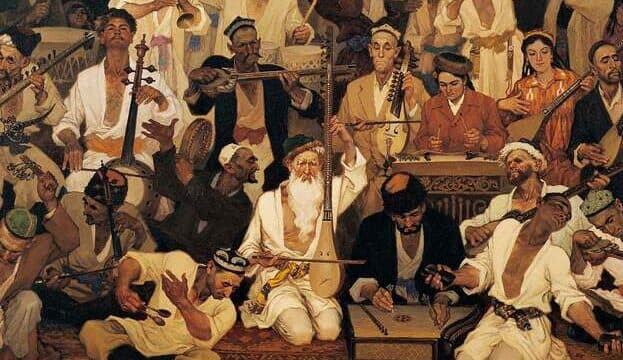
Uyghurs are an ethnically, culturally, and linguistically distinct Turkic people indigenous to East Turkistan, now within the Xinjiang Uyghur Autonomous Region.
The Uyghur homeland historically sat at the center of the Silk Road, where trade, scholarship, religion, and culture moved across continents.
Today, any introduction to Uyghurs must also acknowledge the reality of mass detention, family separation, cultural destruction, and systematic persecution.
The Uyghurs are a distinct people with their own history and culture, the current persecution is severe and ongoing, and humanitarian support plus cultural preservation are both essential responses.
Awareness can become action through giving, volunteering, advocacy, and thoughtful conversations that keep the truth of the Uyghur people in view.